


Learn the difference between dark spots, pigmentation, and melasma. Learn about the causes, treatments, and prevention methods to maintain healthy skin.
The main concerns that bring patients to see a dermatologist include uneven skin tone, hyperpigmented spots or dark skin. These terms are often confused and thought to be interchangeable, but they are actually not. Because of their distinct causes, the three skin conditions—blackheads, hyperpigmentation, and melasma—have different treatment protocols and prevention strategies.
What causes pigmentation?
Pigmentation refers to changes in skin color due to excess melanin, the pigment responsible for skin tone. It can be caused by sun exposure, hormonal fluctuations, inflammation, and even certain medications. “Post-inflammatory hyperpigmentation (PIH), for example, occurs when acne, cuts, and burns heal, leaving behind dark spots,” cosmetic dermatologist Dr. Amisha Mahajan tells Healthshot. Pigmentation can appear as small dots, spots, or widespread discoloration, depending on the underlying cause. Diagnosis is important. Dermatologists carefully examine “the pattern of pigmentation, its color, and the distribution of darkly pigmented skin.”
What causes melasma?
Melasma is a type of pigmentation that usually appears as symmetrical brownish spots on the face, forehead, cheeks, upper lip, and jawline. Melasma is often associated with hormonal changes. “Women, especially those who are pregnant or taking oral contraceptives, are more likely to develop this condition. Ultraviolet (UV) exposure is also a major trigger, as sunlight stimulates melanocytes (pigment-producing cells) to overproduce melanin,” says Dr. Mahajan. Genetics also plays a role, as melasma tends to run in families. Unlike common pigmentations, melasma is chronic and often requires long-term management.
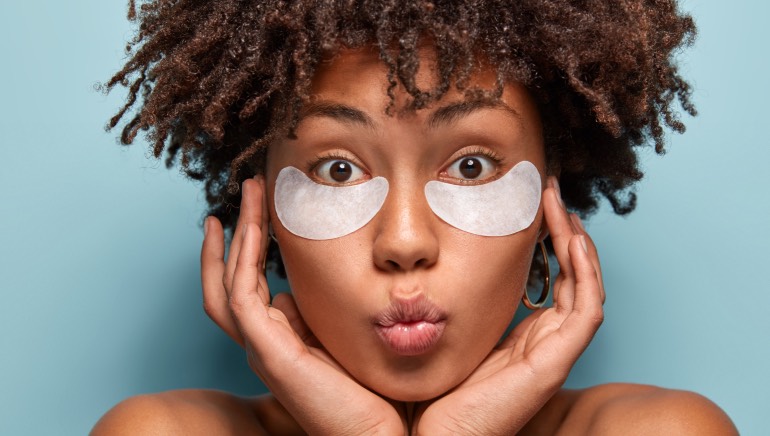
What are the main causes of black spots?
The term “blackheads” includes skin conditions such as melasma, sun-induced pigmentation spots, PIH, and acanthosis nigra. Conditions such as acanthosis nigricans can cause the skin to become thicker and darker, especially in the folds of the body. “With proper lifestyle and skin care, you can reduce the appearance of these spots,” says Dr. Mahajan. Regular sun exposure without protection, use of harsh skin care products, and lack of hydration can worsen pigmentation.
treatment options
Treatment strategies vary. To remove pigmentation, topical skin lightening products or chemical peels containing vitamin C or niacinamide are required. “Melasma can be successfully managed with a combination of pigment-control products containing hydroquinone or azelaic acid and a high SPF sunscreen,” says Dr. Mahajan. The key here is consistent practice, as the application of these treatments and products takes at least several weeks to several months to see fruitful results.
prevention tips
Prevention is equally important. Dermatologists recommend applying a broad-spectrum sunscreen daily, reapplying it every 2 to 3 hours when outdoors, avoiding working outdoors on peak sunny days, and choosing gentle skin care products to combat inflammatory hyperpigmentation. Melasma is caused by hormonal imbalance, and triggering factors such as pregnancy-related changes and contraceptive use must be addressed, but prevention is not always possible.
Treatment tailored to your skin type
Having a clear understanding of your skin type, triggers, and skin-protecting habits will help you maintain long-term skin health. “Dark spots, hyperpigmentation, and melasma are often confused, but they have different causes and require different management,” says Dr. Mahajan. You should seek professional help for an accurate diagnosis and treatment plan. This helps people avoid harmful self-medication.



