


When Apple introduced true windowed multitasking and extended display support in iPadOS 26, pairing an iPad Pro with a portable monitor suddenly became a lot more fun. I’ve used a number of portable displays over the years, primarily on my MacBook Air, and they range from inexpensive plastic options to high-end models that focus on the screen itself. There were some decent ones, but Sotsu FlipAction’s lineup was something completely different. It looks like someone took a 16-inch iPad and mounted it on a modular magnetic studio display stand. I have been using this monitor for over a year now and would like to share my deep thoughts on whether it is worth the price. Let’s break it down.
Check out our hands-on review of Sotsu Flip Action Pro below.
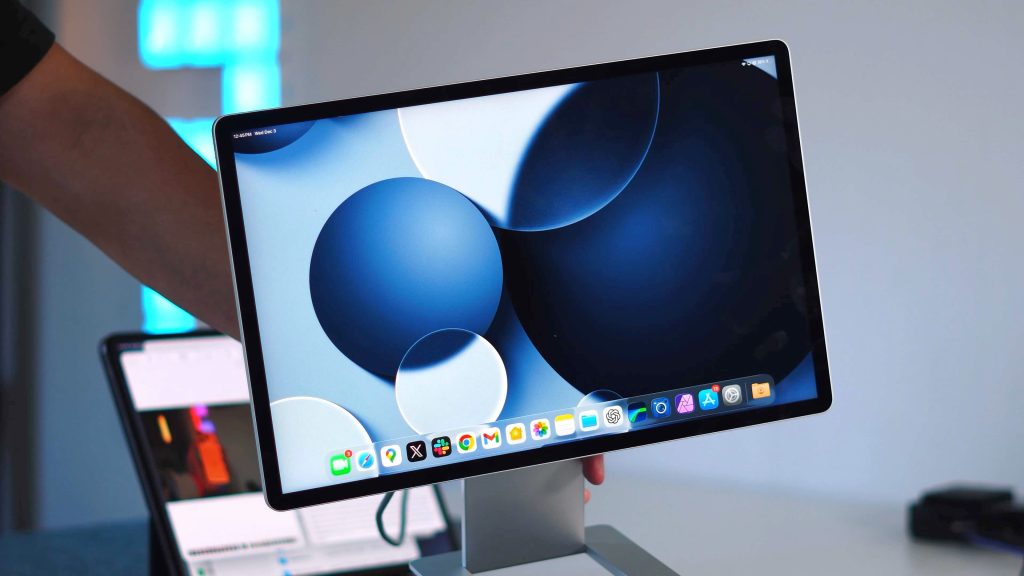
In a world where portable monitors fall into two main categories: cheap plastic shells with flimsy folio stands, or simple metal plates with a single hinge that isn’t exactly “ergonomic.” The first thing you’ll notice is how unique the Sotsu monitor’s design is, and it’s a nice change. They decided to go with a two-piece system: a 16-inch display and a magnetic folding stand. Both are made from anodized aluminum, giving them a feel similar to Apple products. It also doesn’t hurt that the display literally looks and feels like a larger iPad.
When storing it, it uses my favorite material, magnets! Remove the stand from the display, fold it up, and it attaches nicely to the back of the display. It fits perfectly on the display stand, so there are no protrusions that could get caught in your bag. It’s only about 0.5 inches thick when packed, so it easily fits into a backpack or laptop sleeve.
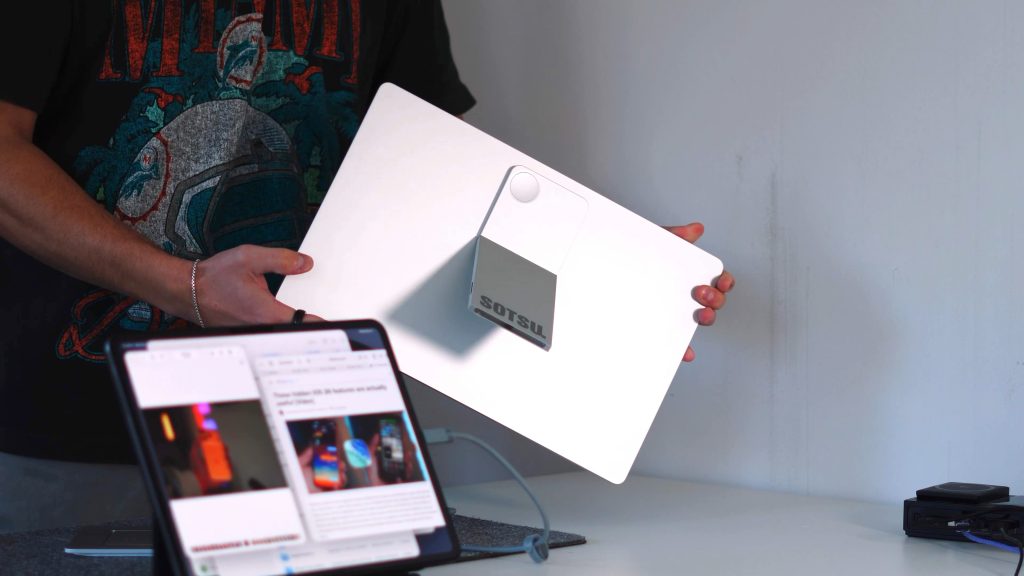
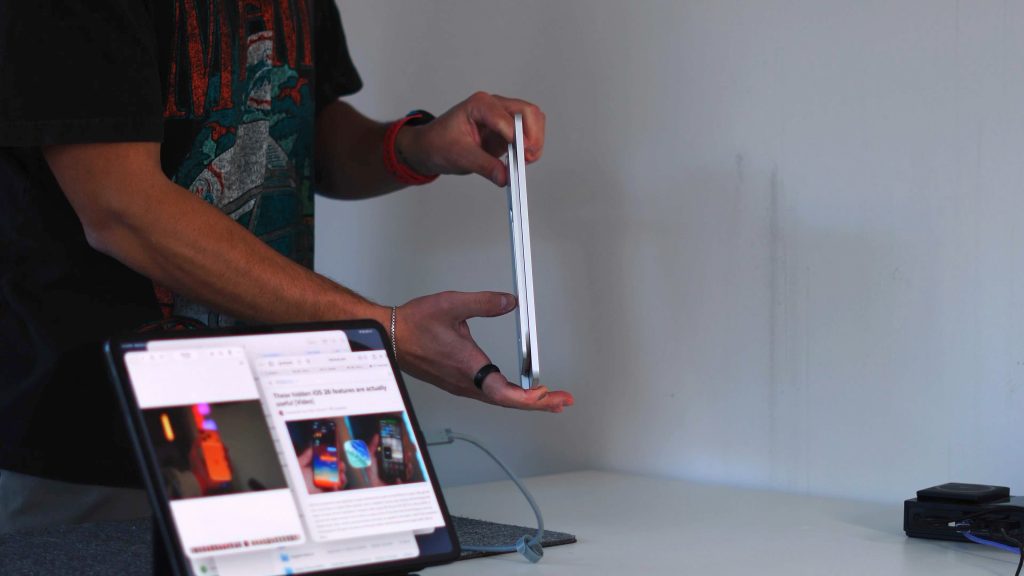
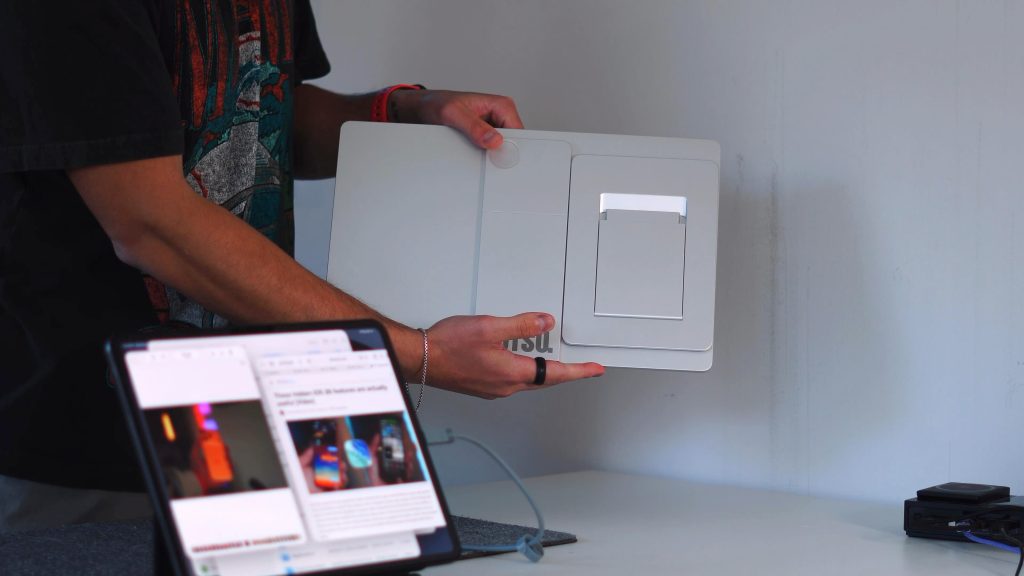
Ergonomics and viewing angle
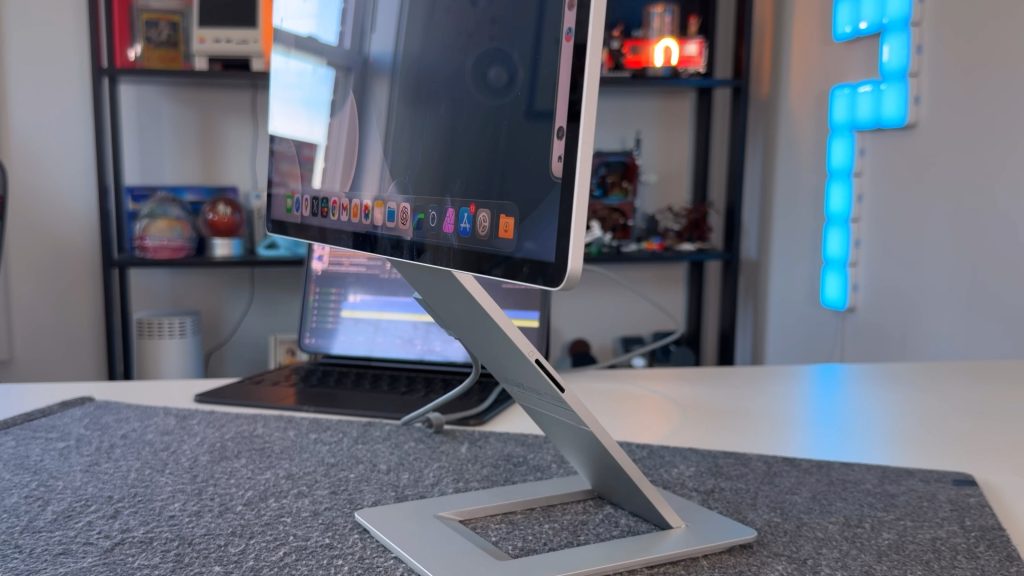
To install the monitor, remove the stand from the back and attach it to the monitor mount part of the stand. From there, you can adjust it to your heart’s desire. The stand is dual hinged. There is a hinge at the base of the stand, and there is also a hinge where the stand meets the back of the display. It gives a similar feel to the iPad Pro’s Magic Keyboard. Additionally, there is a 360° rotation point that allows you to adjust the monitor’s orientation. It provides packages such as:
- Includes a base hinge to bring the panel forward
- Top hinge for attaching the display
- Full 360 degree rotation with built-in automatic rotation that locks every 90 degree intervals
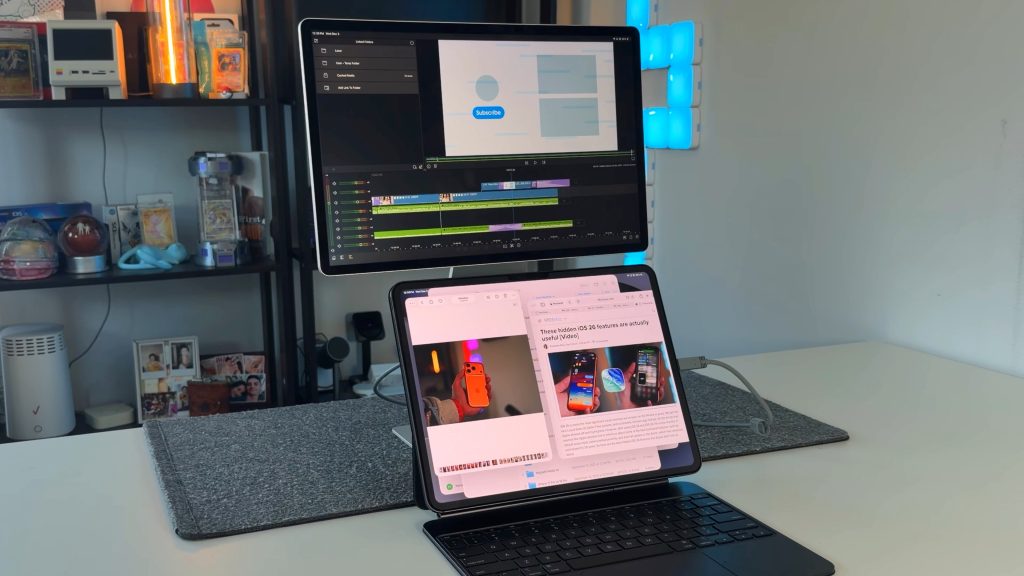
This allows you to use it horizontally next to your MacBook, vertically as a sidebar monitor, or raised above your iPad Pro for better ergonomics. Its flexibility is more like a full desktop monitor than a “portable” one.
screen
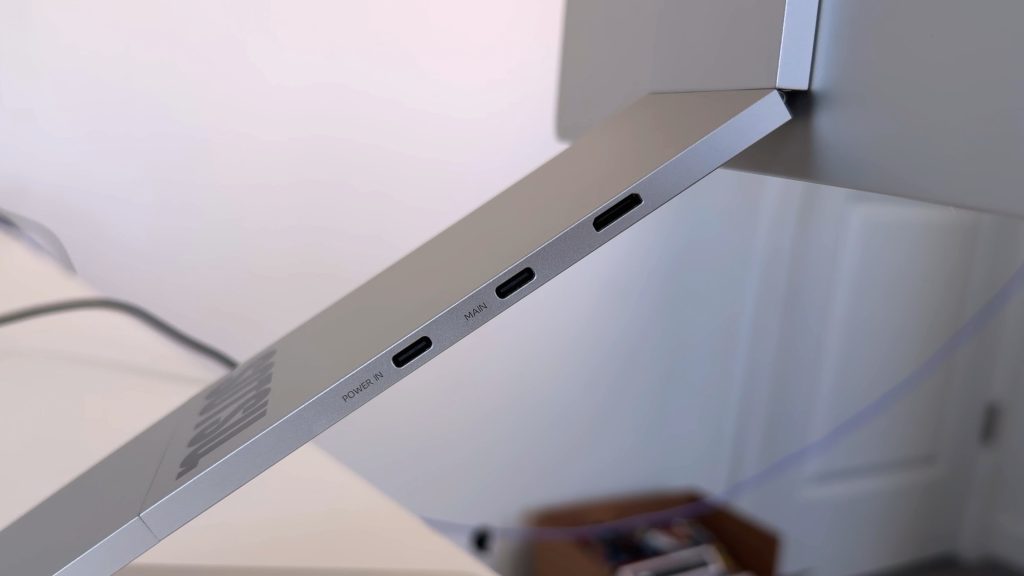
Design and ergonomics aside, what really matters is what the actual display looks like. There are three types of 16-inch flip action monitors. There’s the Flip Action Pro Gen 1 (which I have), the Flip Action Pro Gen 2, and the Flip Action Elite. All three have the exact same design and construction materials (different colors). They all have the same ports on the stand part and include:
- mini hdmi port
- USB-C data port for video output
- USB-C port for power pass-through
- SD card slot.
Another thing to note here is that it is powered by the host computer, so it does not require its own power supply. This includes your iPad!
I’m using the FlipAction Pro Gen 1, which has a Quad HD (2560×1600) display, 60Hz refresh rate, 350 nits of brightness, and 100% DCI-P3 color coverage. The specs say the brightness is 350 nits;When placed next to my 5K BenQ (rated at 400 nits), the Sotsu looks brighter than it actually is. Color reproduction is punchy without becoming saturated, and viewing angles are solid. iPad Pro is also highly expandable and provides a great experience when used as an extended monitor for your iPad.
Gen 2 and Elite options
As I said, these other two displays look and behave the same. You’re just paying for better display specs.
- FlipAction Gen 2 offers improved contrast (1500:1) and refresh rate up to 120Hz. If you scroll frequently, game casually, or prefer smooth UI animations on iPad or macOS, you’ll benefit from this improvement.
- FlipAction Elite brings full 4K resolution and 450 nits of brightness. This is for people who edit high-resolution videos and photos, or who want maximum clarity on the go. This remains at 60Hz.
How to use the monitor
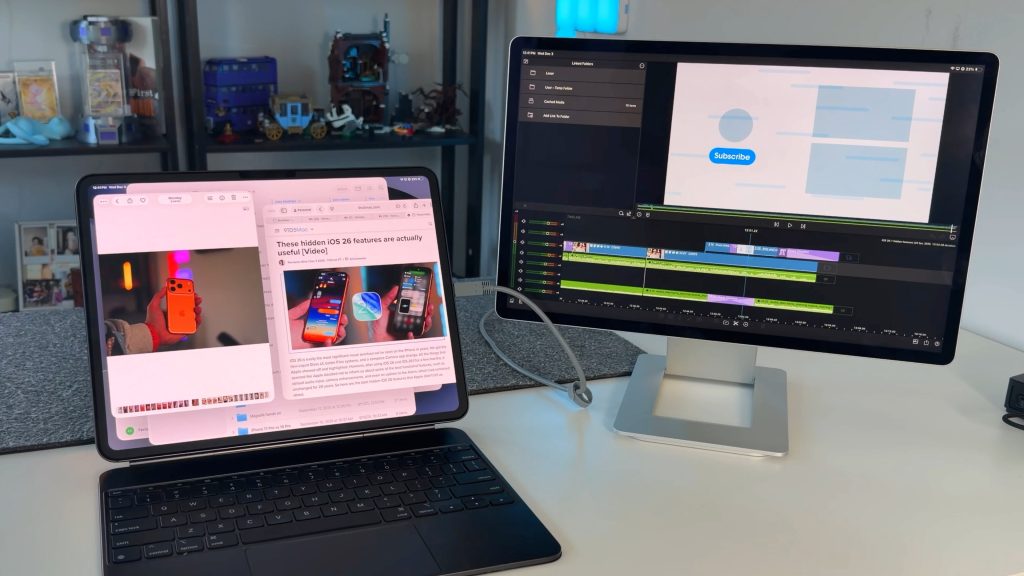
There are two main ways I use the Sotsu monitor. The first is next to your iPad, whether you’re at home or on the go. The new multitasking window mode in iPadOS 26 has greatly improved my productivity on my iPad. For example, I use Lumafusion to edit videos on my iPad. Display Lumafusion apps on your iPad’s main screen, and all your productivity apps, ChatGPT, and Twitter on an external monitor. I can create that use case in all my environments. What’s great is that everything folds nicely into a slim, portable package. It fits into a 16 inch laptop sleeve without any problem.
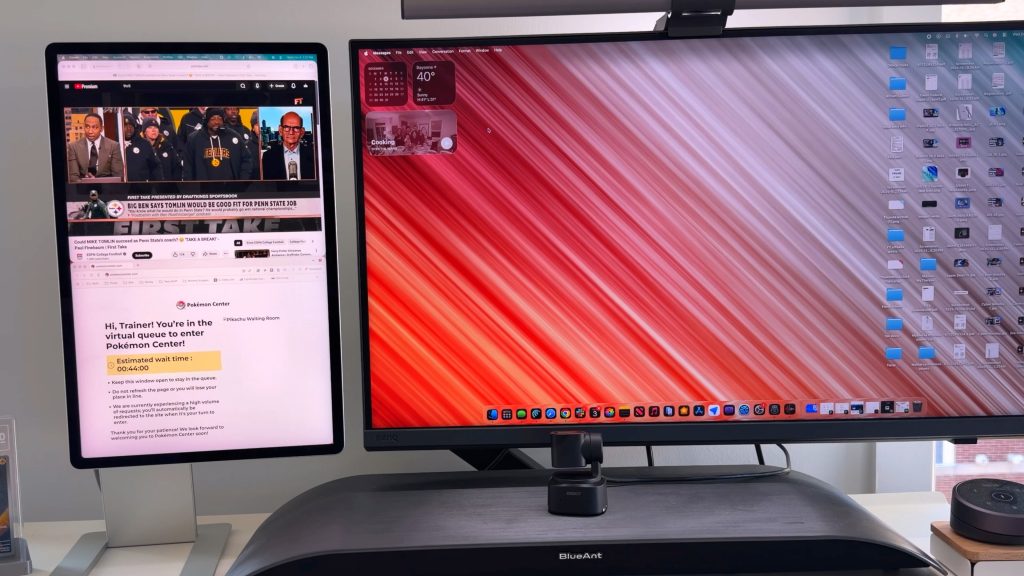
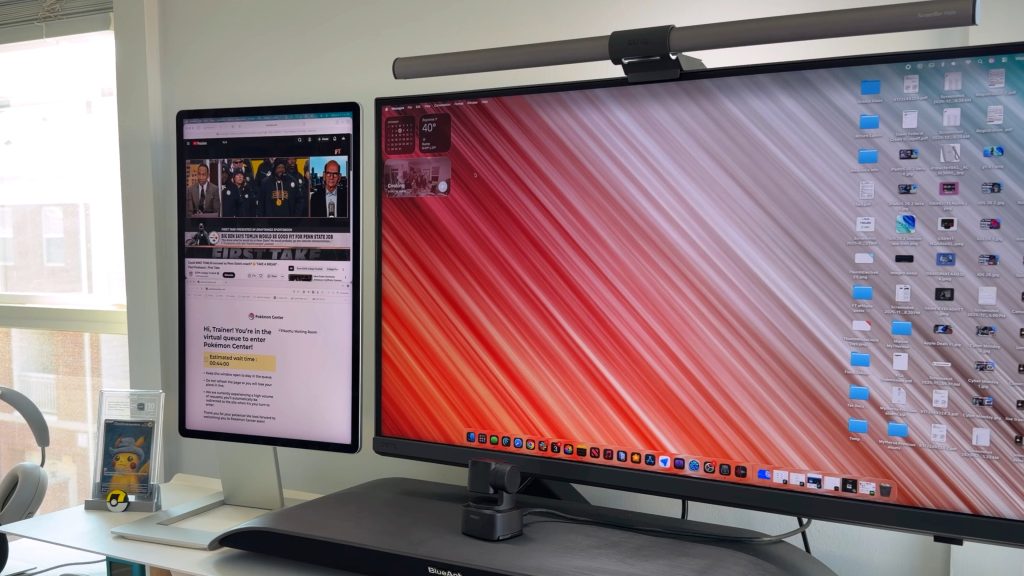
The second use case is the M4 Mac mini. I use it as a secondary vertical display in my main home office setup. When installed vertically, the height perfectly matches the height of my 5K BenQ monitor. So it’s a match made in heaven. I like the extra screen real estate that allows me to display additional apps and windows when I need them. As I mentioned above, the display was bright and clear enough for all the use cases I experienced. It’s very durable, so you can carry it with confidence even if it gets a little scuffed or scratched.
Price and availability
This design, quality materials, and display technology all come at a price. The FlipAction Pro Gen 1 (the one I have) starts at $499 and comes in three colors: black, gray, and arctic blue. The FlipAction Pro Gen 2 costs $599 and comes in two colors: black and gray. Then FlipAction Elite is the big one. It costs $789 and comes in silver and space black. All three models are currently available directly from Sotsu’s website.
final thoughts
The Sotsu FlipAction lineup isn’t cheap, but I think it’s worth the price. It features premium build quality, legitimate display performance, and a hinge system that makes the portable monitor truly usable in real-world workflows. Not only that, I’ve used this monitor in so many scenarios over the last year and it still looks, feels, and performs like new. If you’re thinking about buying a portable display and are unsure, we recommend you try these out. Sotsu offers some other, more affordable options that are better in terms of price, but these are on another level.
What do you think? Is $500+ too much for a portable display? Let’s discuss below.





