


Understand how skin fatigue and seasonal changes affect skin health. Discover the symptoms, causes, and helpful treatments to restore your glow.
Have you ever looked in the mirror and been disappointed in the look of your skin? Your skin that was previously bright and healthy may now look dull, dry, and showing signs of fatigue. This change, known as skin fatigue, goes beyond appearance. It indicates that the skin is under stress due to changing weather conditions. What exactly does skin fatigue mean? Try these tips to refresh and improve your skin, especially during the change of seasons.
What is skin fatigue?
Our skin is a living organ that reacts to our environment and shows us how we feel inside. Dr. Pooja Chopra, a dermatologist at Aakash Healthcare, tells Health Shots, “Seasonal changes can disrupt the natural balance of our skin. Factors such as temperature changes, humidity, and air quality play a key role in this disruption, leading to so-called weather-related skin fatigue.” When the seasons change, our skin has a hard time adapting. The skin acts as a protective barrier, but when the air changes from humid in the summer to dry in the winter, it has a harder time doing its job. This change makes it difficult for our skin to retain moisture and protect itself well.
What are the 5 symptoms of skin fatigue?
You may be concerned about whether your skin is tired. Here are some common signs.
- Dull appearance: The rosy, glowing skin look you once had seems to have disappeared.
- Drying: Even if you apply moisturizer regularly, your skin may feel tight or rough.
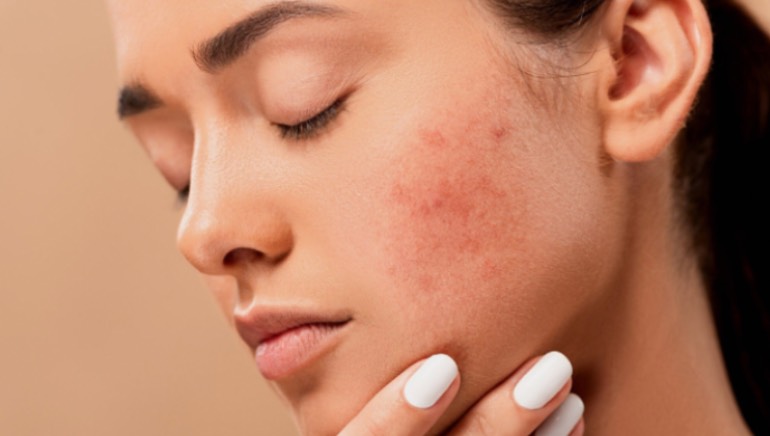
- Increased sensitivity: It can increase sensitivity and cause redness and inflammation.
- Uneven skin tone: The skin may appear patchy, uneven, and lacking its usual vibrancy.
- Poor recovery: If your skin is not in good health, scrapes and wounds may take longer to heal.
These symptoms mainly occur due to damage to the lipid layer. This layer retains moisture and protects from irritants. “If the lipid layer isn’t working properly, regular moisturizers may not be as effective,” explains Dr. Pooja.
Why does my skin become dry as the seasons change?
When the seasons change, your skin needs to adjust quickly. Moving from the hot, humid air of summer to the cold, dry air of winter can be harsh on your skin.
- Summer battle: Hot weather increases sweating and oil production, which can clog pores and cause acne. In summer, you may suffer from excess oiliness and breakouts. In winter, you may feel a different atmosphere.
- winter blues: Cold air makes your pores smaller, slowing blood flow and reducing oxygen to your skin. This can make your skin look tired and dull. When the air is dry, moisture evaporates quickly, leaving your skin dry.
Dr. Pooja explains, “When dry air and humid air mix, the skin has a hard time deciding whether to retain or release moisture. This confusion weakens the skin barrier and can lead to skin fatigue.”
Does climate change affect your skin?
Climate change isn’t the only issue affecting our skin. Air pollution and UV rays can also make your skin look tired. These factors cause oxidative stress, which damages skin cells and accelerates aging.
Here’s how these affect your skin.
- Free radicals: Pollution and UV rays produce free radicals that damage collagen and elastin. These two proteins are necessary to keep your skin supple and youthful.
- Intrinsic stress and extrinsic stress: Skin fatigue comes from two main sources: internal and external. Internal factors include stress and not drinking enough water. External factors involve the surrounding environment. Together, these problems can compromise skin health.
What effect does the change of seasons have on your skin?
Seasonal changes and external stress can affect your skin, but by taking care of your skin in a way that suits you, you can reduce skin fatigue. Here are some helpful tips:
you may also like


- Regular exfoliation: Use a gentle exfoliant to remove dead skin cells. This can help fresh skin cells come to the surface and improve the appearance of your skin.
- Hydration is key: Moisturizers containing hyaluronic acid help draw moisture into the skin. Use a lighter formula in the summer and a thicker cream in the winter.
- Serum infused with antioxidants: Use serums high in antioxidants such as vitamins C and E to reduce oxidative stress and aid healing.
- Gradual migration: Just like changing your wardrobe, update your skincare routine as the seasons change. In the summer, the air is dry, so switch to thicker products.
- Listen to your skin: Notice how your skin changes with the seasons. Depending on the weather and activity, you may need more moisture or sunscreen.
Disclaimer: At Health Shots, we are committed to providing accurate, trustworthy and authentic information to support your health and well-being. However, the content on this website is for informational purposes only and should not be considered a substitute for professional medical advice, diagnosis, or treatment. Always consult a qualified health care provider for personalized advice regarding your specific medical condition or concerns.



