


I’ve been using the iPad Pro as my primary computer since its major redesign in 2018. At the time, the iPad Pro was still running what was essentially the iPad version of iOS. But I loved the design and the raw power it offered so much that I decided to dedicate myself to the iPad full-time. Every year since then, Apple has teased the idea that the iPad is becoming a more serious computer replacement. And every year, the software was slightly lacking.
Apple then released iPadOS 26 in 2025, which for many people truly changed what an iPad could be. While this was transformative in many ways, it also introduced a level of nuance that made some users hesitant. So the question is, was this update enough in the end?
If you want to see what iPad is all about, check out the video below.
What iPadOS 26 actually brings to the iPad
The update to iPadOS 26 brings a lot of great features to improve your quality of life. However, I want to highlight the things that make the iPad feel like a truly new device.
Multitasking with real windows
Let’s start with the obvious here. The most important change is the option to go into full windowed mode. This was possible with Stage Manager, which is still an option, but Apple offers the equivalent of multitasking in a macOS window. This changes the iPad landscape significantly this year. What we got:
- Infinitely resizable window
- Mac-style window controls (green, yellow, and red admin buttons)
- Ability to keep many apps active at the same time (up to 12 in one view)
- More natural flow between tasks
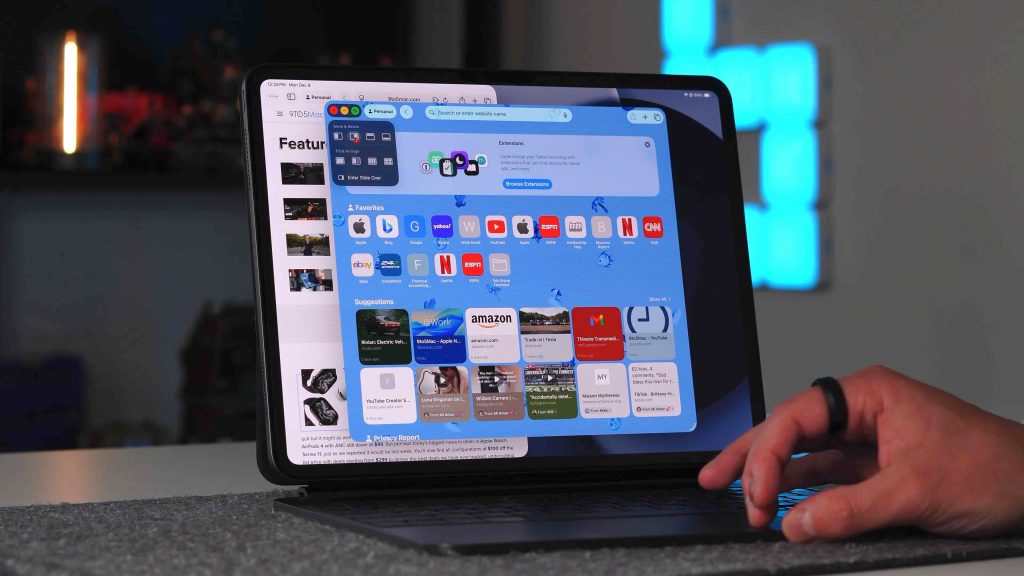
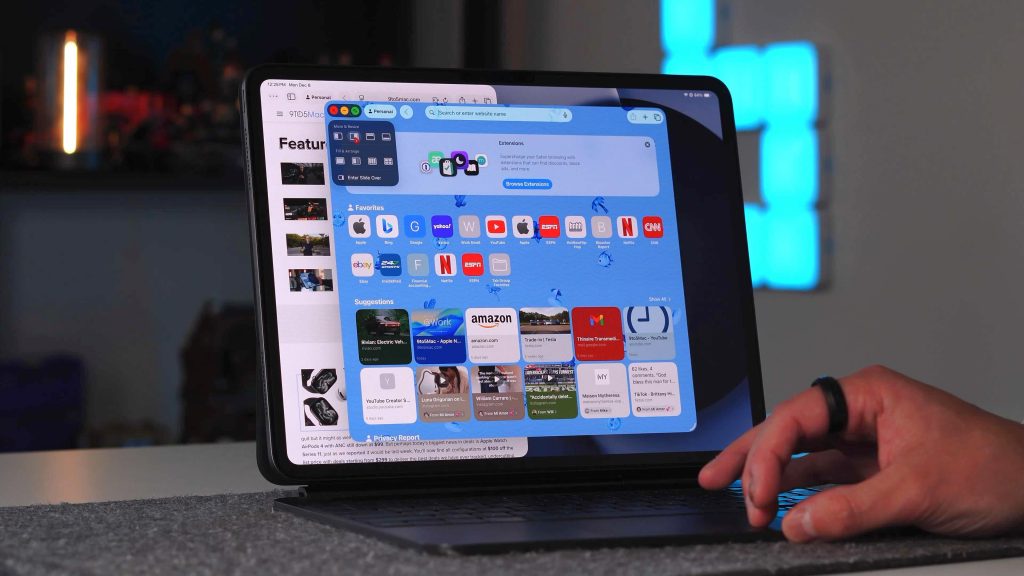
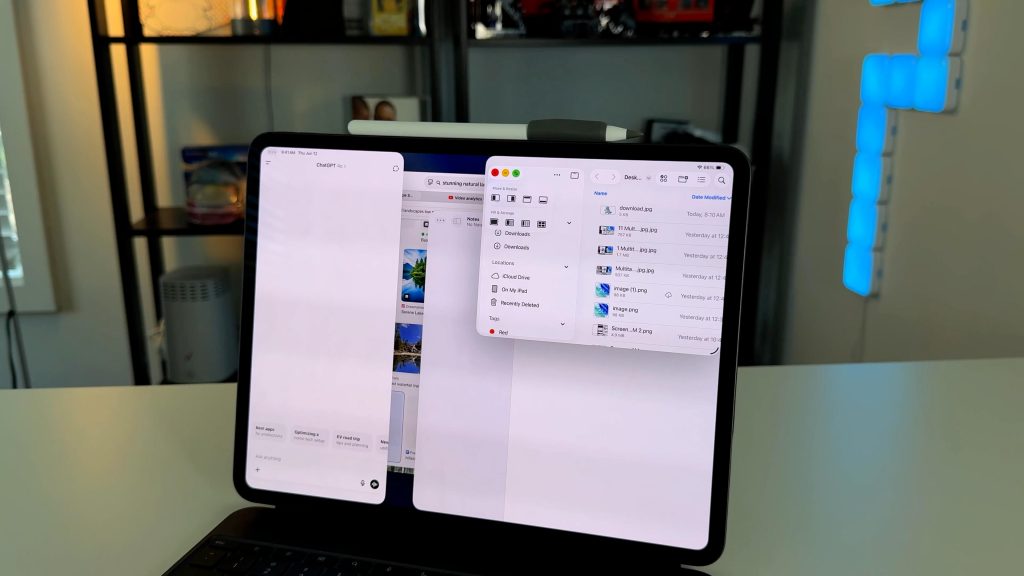
This new windowing experience no longer feels like a gimmick like Stage Manager. Everything now feels more natural when managing multiple windows. Instantly switch to tile mode to view up to four windows at once, easily drag and drop files between apps, and trackpad scrolling with overlapping windows feels like a desktop experience.
Visually and functionally, the iPad feels closer to macOS than ever before, and I’m excited every day to use it again..
Files app revamp
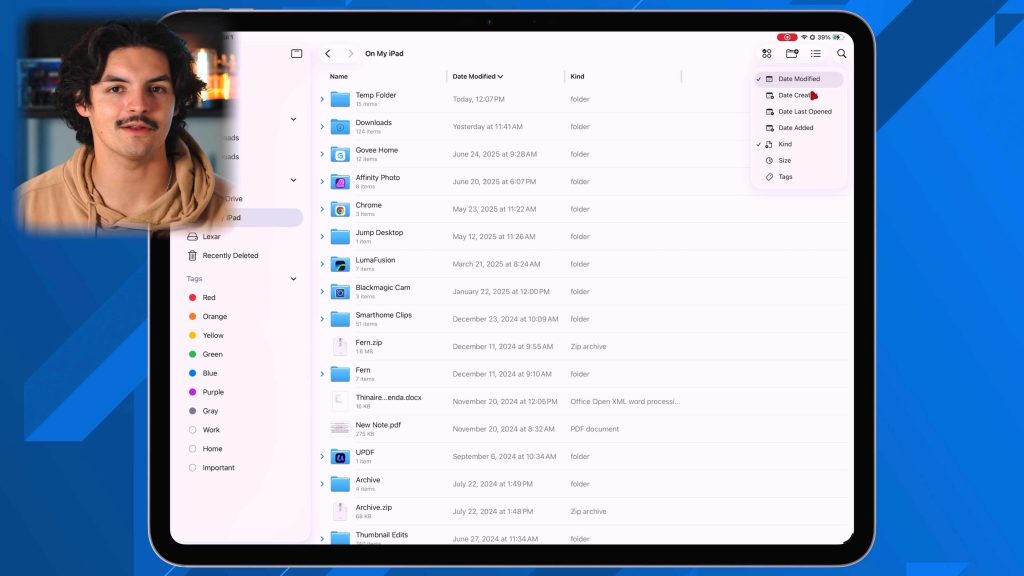
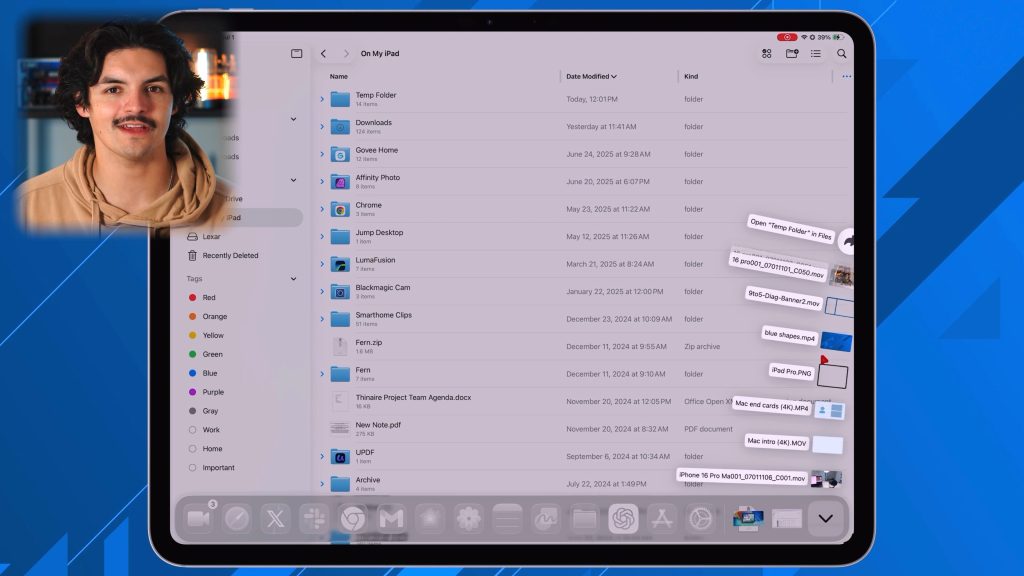
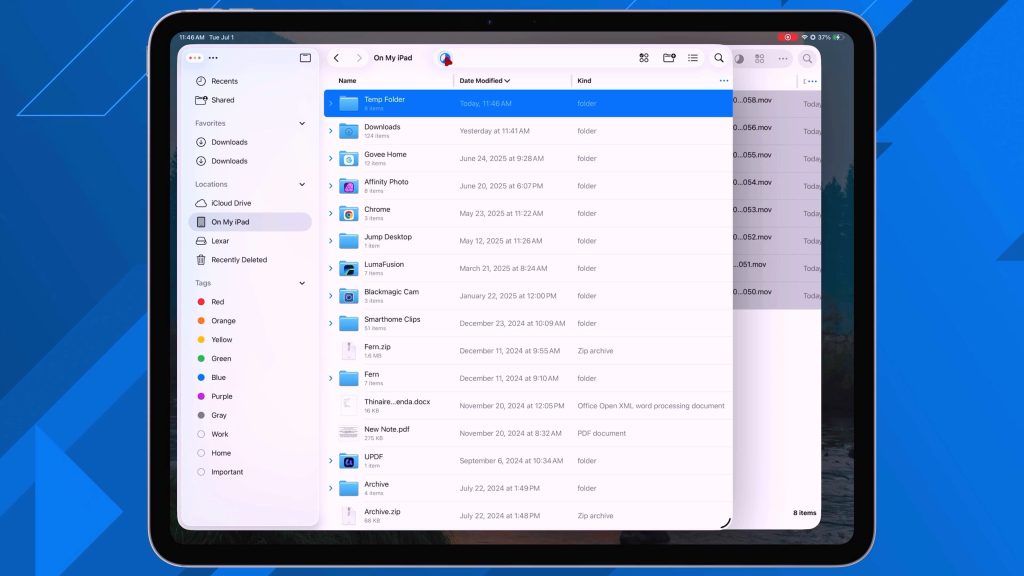
The next big overhaul was the Files app. The Files app has always been the weakest part of iPadOS. It felt watered down, difficult to manage, and impossible to navigate. But then again, Apple essentially gave the iPad a Finder app. The Files app now looks like this:
- more customizable
- Navigating Made Easy
- Get more detailed information for each file and folder
- Works like a desktop-class file manager
There were two big features and use cases brought to you by the Files app this year. The first is a fully customizable column view. Similar to the Finder app, you can now add and remove column categories and sort based on those categories. Additionally, you can resize the columns as you wish. The second feature should be a dockable folder. This is my favorite feature so far. Pin your iCloud Desktop folder to your iPad’s dock for quick and easy access to all your shared folders without having to navigate through separate apps or numerous menus. You can also customize folders to display files in fan-out or grid view. This changes the way your iPad works in any workflow.
Background tasks and audio source switcher
These two features are more focused on improving quality of life than anything fancy. However, it can also save you a lot of time and effort. I’m someone who uses my iPad to edit videos and photos. So I use apps like Lumafusion to export and render large video files. Prior to iPadOS 26, if you needed to export a video file, it could take 10 to 20 minutes, but you had to keep the app running. The export will fail if you leave the app. This meant that my iPad was of little use during the export. Now you can run these tasks in the background (as long as your app is updated for that support). This saved us a lot of time. You can start the export, exit the app, and start editing your thumbnails. The very little thing that was missing is now available on the iPad.
The last big change is the ability to switch the audio source natively. You can now connect an external microphone, go to Control Center, and select it as your primary audio source. I use this feature every day.
So what is still missing?
Well, this update was great, but there are still some issues you should be aware of if you want to make this your full-time computer. The hard part about these limitations is that they are the basis of iPadOS. for example:
- No true terminal access
- There is no complete desktop-class coding environment
- System-level controls are limited
- Multiple simultaneous audio sources are not supported
And last but not least, it’s still an iPad. Your experience is only as good as the apps available on the App Store. You can’t simply go to a website and download a desktop app because iPadOS isn’t designed that way. In my case, I can live with this limitation because I have structured my workflow to use App Store apps efficiently. However, we can see situations where this becomes a deal breaker.
final thoughts
The update to iPadOS 26 was one of those rare moments when software completely changes the functionality of the hardware. Apple took off the training wheels and finally gave us iPad users something to look forward to. The way it implemented Mac-like trends and flows while maintaining the touch-first nature of the iPad was magical. The iPad no longer pretends to be anything else. The iPad isn’t chasing the Mac. I’m not particular about being a tablet. We are carving our own lane.
For some people, that’s ultimately enough. But we also understand that for others, certain areas are still lacking. that’s ok. However, I believe the gap between iPad and Mac has narrowed significantly. We haven’t even touched on the fact that iPadOS 26 runs on all iPads, not just the iPad Pro. This leads to improved overall accessibility. So for $299, you can get a computer-like experience on a regular A16 iPad.
What do you think? Is iPadOS 26 finally enough? What is it still missing? Let’s discuss below!
iPad deals and accessories


(Tag translation) iPadOS 26



