


It’s not just about controlling the lamp
They are one of the cheapest and most popular smart home devices, but most smart plugs end up spending their lifetimes turning the lamp on or off.
Certainly they are great in the job, but they have more possibilities. We are here to provide some suitable uses for some of the smart plugs, one of the most convenient gadgets to use throughout a smart home.
A smart plug that actually controls the device you plug into your socket requires you to think a bit and go a little crazy to do things that are fun and useful, such as turning on the security camera when your laundry is complete or leaving the house.
It’s worth doing a few things before you start. First, the smart plug only works with devices with physical on/off switches.
For example, if you want to turn the fan on or off, the fan needs to have a physical switch and bring it to life when the power comes back. When using a Dyson fan, it enters standby mode when the power is turned on.
Secondly, you need to choose the smart plug that’s best for the job you’re trying to fill. Smart plug features include voice control via Alexa or Google Assistant, IFTTT support, HomeKit integration, and power tracking options using platforms such as Matter and Smartthings.
Third, make sure it is compatible with your existing smart home system. For example, if you run a home with SmartThings, if you need to be a Z-Wave or Zigbee plug, HomeKit is likely to be Bluetooth, Wi-Fi or Matter.
However, you can still use the smart plug even if you don’t have a smart home system.
Devices like WEMO, Awair have their own apps that you can use to schedule and control what you’re plugging into the plug.
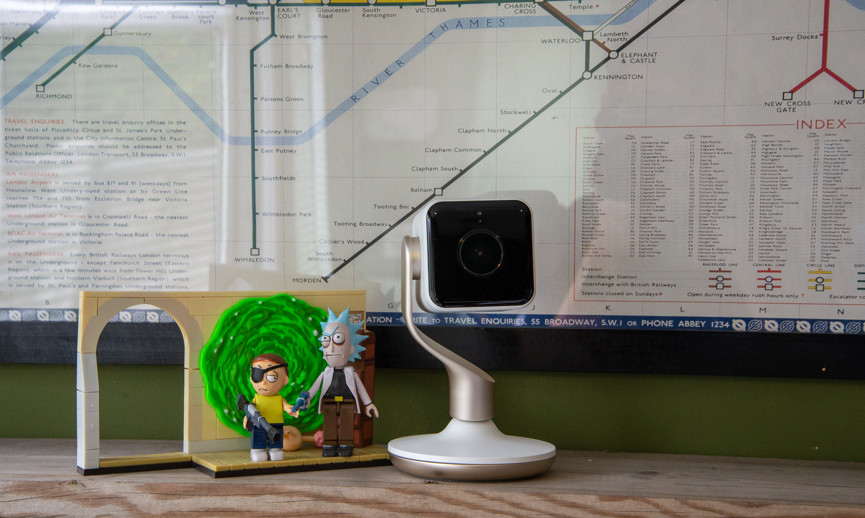
1. Control your smart camera
Smart security cameras are a great way to monitor your home, but they can be difficult to manage accurately when recording. The smart plug can fix this by turning it off and turning it off when you need monitoring or don’t want to record.
For best results, think about how to control the plug. I had a camera in my yard office and connected it to the SmartThings outlet. When the Yale Smart Lock is unlocked, the camera will be turned off. When the lock is locked, the camera is turned on.
Amazon Alexa routines are another great way to control. Add a smart plug to which the camera is connected to your Hello/Goodbye routine, trigger a recording and automatically turn it on and off when you say Hello or Goodbye to your SMART speaker.
If you prefer geofencing, use the IFTTT applet to turn on the camera when you’re out and off when you get home.
Why not hide your smart button somewhere in your home? For example, stick one in your bedroom, turn on the downstairs camera with a quick tap at night, then turn it off easily in the morning.

2. Preheat your room
When using a space heater to heat your garage or out building, the smart plug is the perfect way to control it, allowing you to turn the heating on or off remotely.
If you need some degree of automation, all you need is a smart temperature sensor to maintain the lowest temperature. For example, the Samsung SmartThings multipurpose sensor includes a thermometer. Use this to program the automation to turn off the heater when the set temperature is reached and the air falls below the minimum temperature.
Similar rules can be used on devices such as Awair Indoor Air Quality Monitor and IFTTT. IFTTT also allows you to boost existing systems using a secondary heater. For example, you can turn on the fan heater when the nest thermostat needs heat.

3. Help the humidity in your home
If your home is too humid, you can get mold growth. If it gets too dry, it can cause breathing problems and cracked skin. With smart plugs, you can control the environment and aim for a 45% relative humidity level. It is not desirable to exceed 50% and below 30%.
Use a dehumidifier to reduce humidity or use a humidifier to add moisture to the air. You also need smart air monitors such as the AWAIR 2nd Generation and Awair Glow C to control both. This also works as a smart plug. This sensor has a complete IFTTT channel that allows you to control the device when humidity is above a set point or below a defined point.
With some applets, for example, you can turn on the humidifier when the humidity drops below 35%, but when it reaches 45% it turns off. If you have a dehumidifier, you can turn it on when the humidity rises above 50% and turns off when it reaches 40%. That way you can have the perfect level of control.
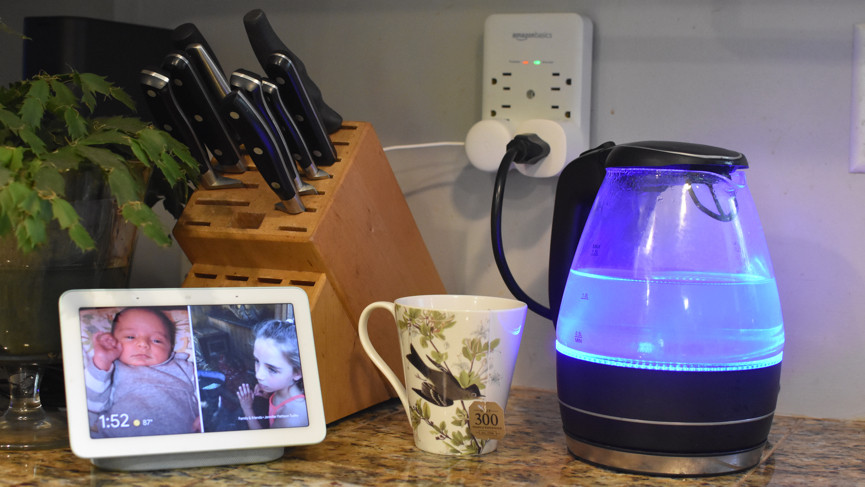
4. Make your kettle smarter
Certainly you can buy a smart kettle with built-in Wi-Fi and its own Alexa Voice Control, but it’s expensive. If you have an electric kettle and a smart plug, make it yourself.
Connect the kettle to the smart plug, turn off the plug, fill the kettle with water, and switch on the kettle. Once you’re ready to boil the water, just ask Alexa to take care of it for you and you’re ready.
You can also schedule it via the Smart Plug app or through the Alexa or Google Assistant routine. This will allow you to wake up and prepare boiling water. These methods also apply to coffee makers with physical switches, offering a hot cup of Joe as soon as they wake up.
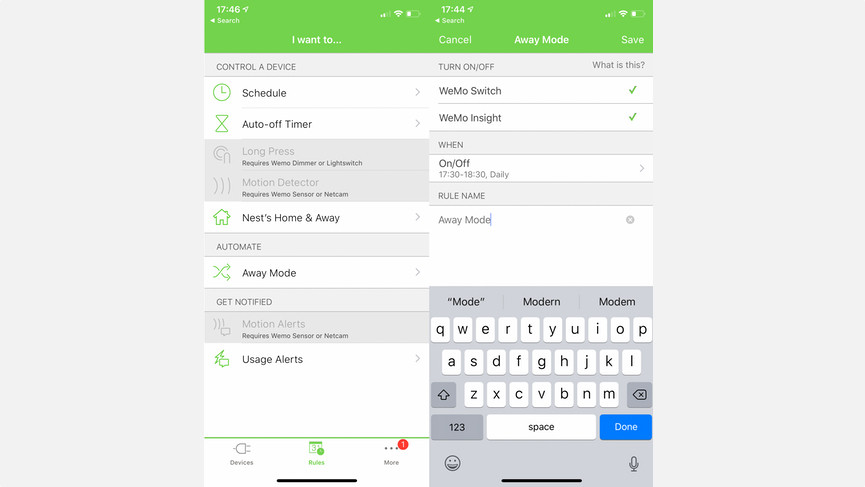
5. Thief is foil
If you have a smart plug in away mode, such as the range of plugs in Belkin Wemo, you can randomly turn it on and off while it’s gone.
Connect some lamps to them and program them to turn them on/off automatically, simulating someone at home. You can try similar tricks on good old radio so that people can hear them being involved.
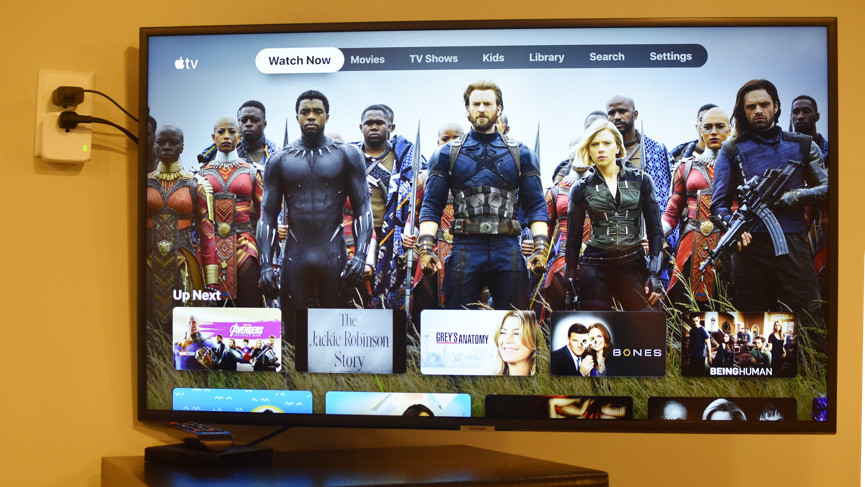
6. Turn off the TV with your voice
Connect your TV to the smart plug to get instant voice control. You don’t need to get up from the sofa and find the remote again.
Turn it on or off using Siri, Alexa, or Google. Depending on your smart plug preference. Plus, if you want to turn it off to take the kids to the dinner table, whip your smartphone and quietly shut it down (until you hear a scream of pain from the living room).

7. Know when the laundry is finished
Smart plugs with built-in power monitoring, such as Eve Energy, Belkin Wemo Insight, and Wyze plugs, send notifications when power usage is below a set point.
This is a convenient way to monitor what’s going on. For example, if you have insights connected to the washing machine, you can get notifications when they exit, rather than resorting to an unreliable timer on the front.

8. Keeps the battery charged
If you have a cordless tool for DIY or garden use, it may not be recharged when you need it. Smart plugs are useful. Plug the charger into one and leave it off. Once you know you’re going to need the tool, simply turn on the smart plug a few hours ago and head towards a fully charged battery.
If you want to refill your battery, you can set up a scheduled routine to turn on the battery charger once a week, a few hours later, and then turn it off again. After that, the tool is prepared each time you use it.
Smart plugs have a wide range of uses. All of these only increase convenience, save energy and generally help around the home. What more can I ask for?

9. Automate Christmas holidays
If you still have your Christmas lights on/off by hand, or rely on an old-fashioned timer, you really should be on Santa’s naughty list. We will be in the 30th year of the 21st century. Grandpa, please come to the times.
What’s obvious is to put them in all the celebration lights and create some groups. Maybe they distinguish between indoors and outdoors and have an entire group. That way, it’s simple “OK Google, please turn on the Christmas lights.” or “Alexa, turn on the outdoor celebration lights.” Create instant “magic” and roam around the house and load the switch.
However, don’t resign just by smart plugging up your lights. Think big. Toy trains from the Lapland scene? A huge inflatable snowman for the grass in front? The possibilities are endless.

10. Make dinner
If you’re still relying on a stupid old slow cooker, not part of the instant pot revolution, the good news is that you can automate things a little more by introducing smart plugs.
Most traditional slow cookers have High/Low/Keep Warm and Button settings. So it’s easy to add smart plugs to your mix and power up your slow cooker at the desired time. Just set the dial as you want and turn on the switch, but turn off the plug before you leave for work.



