


The dry, cold air of winter can make acne worse. Dermatologists say using the right products and protection can help keep your skin clear and hydrated.
Winter can worsen many chronic skin problems. It often causes eczema flare-ups, worsens psoriasis and rosacea, and leaves skin dull and dry. One of the skin problems affected by winter is acne. Many people think that acne gets worse in the summer, but winter acne can actually be more severe. If your acne gets worse during the cold season, learn how to reduce the impact of winter breakouts.
Why does acne increase in winter?
See why winter is tough on your skin and share expert tips for preventing acne during the cold season.
-
dry air
Dry air is the main cause of winter acne. As outdoor temperatures drop and indoor heating systems increase, moisture is lost from the air. research in European Academy of Dermatology and Journal of Venereology It has been shown that low humidity can cause up to 25% more water to be lost from the skin, which is alarming. “This loss dehydrates the skin’s barrier, making it more susceptible to damage. When skin becomes extremely dry, it responds by producing more oil (sebum) to compensate,” says a cosmetic dermatologist. doctor Amisha Mahajan tells Healthshot: This excess oil, along with dead skin cells, can clog pores and cause breakouts.
2. Heavy products can be counterproductive
In winter, many people like to use thick creams or heavy balms to combat dryness. However, these products can actually cause acne. “Many people think that thicker products protect the skin better, but heavy creams can trap oil and bacteria, which can lead to blackheads and breakouts,” says the cosmetic dermatologist.
3. Hot showers and indoor heating
In winter, a long hot shower feels good. Still, by stripping your skin of its natural oils, it can actually dry out your skin and cause irritation. “Indoor heaters can also dry out the air, leaving the skin dry on the surface but still oily underneath,” says the doctor. This can make your acne worse, making your skin look more troubled instead of glowing.
4. Stress and comfort foods
The days are getting shorter and holiday stress can increase cortisol levels and cause inflammation. High stress can affect your emotions and cause problems such as acne. “Winter cravings for sweets and dairy products often cause breakouts, and it can be even more common to notice skin problems during the cold season,” says the expert.
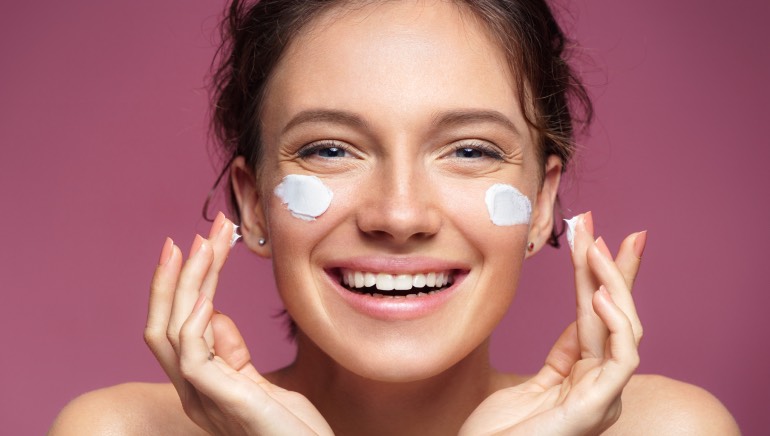
What is the best skin care routine for winter?
Now that we have confirmed the causes of acne in winter, let’s talk about how to treat it. Dr. Ameesha Mahajan offers helpful tips to take care of your skin during the cold season. Here are some practical ways to keep your skin clear and healthy this winter.
-
Switch to a gentle moisturizing cleanser
Start your skin care routine with a gentle facial cleanser. Avoid heavy foaming cleansers, especially in winter, as they can make your skin feel tight and dry. “Instead, choose a mild gel or cream cleanser with moisturizing ingredients like glycerin or ceramides,” say the experts. These cleansers cleanse your skin without stripping it of moisture.
2. Use a light moisturizer
Even if you have oily skin, you need hydration in winter. Choose a lightweight moisturizer with ingredients like hyaluronic acid. Squalaneor niacinamide. “These ingredients moisturize your skin without clogging your pores,” says Dr. Mahajan. If you prefer a thicker product, make sure it is labeled non-comedogenic.
3. Don’t quit anything active
Many people use active ingredients such as retinoids, salicylic acid, and benzoyl peroxide to treat acne. However, in winter, it is better to take a more gentle approach. Dr. Mahajan recommends using a salicylic acid face wash two to three times a week rather than daily. She recommends applying retinoids every other night and using benzoyl peroxide only for spot treatments.Also, be sure to apply a moisturizer before using retinoids to reduce the risk of irritation.
4. Add moisturizer
Using humectants such as hyaluronic acid and polyglutamic acid can help your skin retain moisture. “These ingredients attract water to the surface of the skin, keeping it hydrated and reducing dryness,” says the doctor. This leads to smoother skin.
you may also like


5. Reduce exposure to heat
Keep your showers short and the water lukewarm. Hot water dries your skin and makes winter worse. Consider purchasing a humidifier for your home. It moisturizes the air and helps skin fight dryness caused by indoor heating.
6. Watch your diet and stress levels
Diet is important for skin health. In the winter, many people crave sugary foods, dairy products, and snacks, which can cause breakouts. “Instead, add probiotics to your diet to help your gut and drink plenty of water to keep your skin hydrated.” along with it. Managing stress through exercise, meditation, and getting enough sleep can lower cortisol levels and may also help reduce winter breakouts.



